

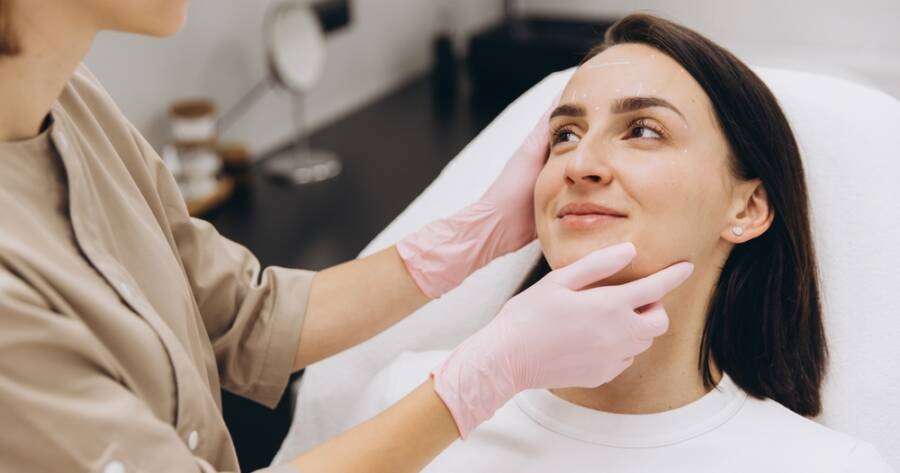
Face fillers continue to reshape modern aesthetics as popularity and accessibility increase. A growing preference for minimally invasive procedures has fueled demand for treatments that provide subtle enhancements while preserving natural features. Technological advancements, expanded provider networks, and increased market competition have contributed to more affordable pricing, making it important to understand the factors influencing cost and accessibility in today’s evolving cosmetic landscape.
The Rising Popularity of Face Fillers
Face fillers have become a staple in modern aesthetics, with demand for minimally invasive treatments continuing to rise. According to the 2024 American Society of Plastic Surgeons Procedural Statistics Report, more than 28.5 million minimally invasive cosmetic procedures were performed in the United States last year, and hyaluronic acid fillers ranked among the most common injectables alongside neuromodulators such as Botox (source).
Increased social media exposure, broader cultural acceptance, and improved product safety profiles have also contributed to sustained demand. What was once considered a niche cosmetic service is now widely normalized across age groups.
Why Face Fillers Are Becoming More Affordable
Several economic and industry trends are contributing to greater price accessibility. As the demand for these treatments increases, so does the competition among providers, which can lead to more competitive pricing. The rise of med spas, expected to reach 12,000 in the United States by 2027, contributes to this competitive landscape (source). Additionally, technological advancements, such as AI-powered facial analysis, are enhancing the precision and personalization of treatments, optimizing costs and making procedures more affordable (source).
Technological Innovations and Market Expansion
Technological innovations in dermal fillers, including enhanced formulations such as hyaluronic-acid-based products and collagen stimulators, are expanding treatment possibilities with improved performance and longer lasting results. These advancements offer more natural outcomes with fewer side effects, making fillers attractive to a broader range of patients. The global dermal filler market was valued at approximately USD 6.88 billion in 2024 and is projected to reach about USD 9.68 billion by 2030, reflecting sustained growth in non-surgical aesthetic procedures (source).
Improved manufacturing processes and product longevity are also contributing to long-term value for patients. Many modern fillers are formulated to last longer than earlier generations, reducing the frequency of maintenance appointments and helping practices optimize treatment plans. As supply chains strengthen and competition among manufacturers increases, broader product availability may contribute to more stabilized pricing across different regions and providers (source).
Demographic Shifts and Preventative Treatments
The demographic shift in filler preferences is also contributing to affordability. Younger generations, particularly those in their 20s and 30s, are increasingly opting for preventative aesthetics, focusing on maintaining youthful features and addressing early signs of aging. This trend, known as “prejuvenation,” creates a steady stream of recurring revenue for med spas, which can lead to more competitive pricing as businesses seek to attract lifelong clients (source).
At the same time, older adults continue to pursue non-surgical rejuvenation as an alternative to more invasive procedures. With a wider age range seeking treatments, providers are developing tiered pricing models and customized treatment plans to accommodate varying budgets. The normalization of injectables across multiple demographics has expanded the client base, helping clinics operate at higher volumes and potentially lowering per-treatment costs.
Why You Should Learn More About Face Fillers Today
Face fillers have evolved into a widely accepted, non-surgical cosmetic option supported by expanding provider networks, technological innovation, and growing consumer demand. Market growth, improved formulations, and increased competition have all contributed to broader accessibility across different demographics.
However, cost remains influenced by provider experience, geographic location, and treatment complexity. Comparing credentials, product types, and expected longevity can help ensure that affordability does not come at the expense of safety or quality. As the industry continues to expand, informed decision-making remains essential.