

Sleep apnea studies play a crucial role in diagnosing and managing sleep disorders, offering insights into a patient’s sleep patterns and underlying issues. Through comprehensive tests like polysomnography, both lab-based and home settings provide valuable data for tailored treatment plans. Understand the intricacies of sleep apnea studies to better understand their impact on health and well-being.
Understanding Sleep Apnea Studies
Sleep apnea is a common yet serious sleep disorder where breathing repeatedly stops and starts during sleep. Diagnosing this condition often involves a sleep study, also known as polysomnography, which is a comprehensive test that records various physical activities while a person sleeps.
This test is crucial for identifying sleep disorders such as sleep apnea, insomnia, and narcolepsy. Sleep studies are typically conducted overnight in a sleep lab, but home-based tests are also available for certain cases.
How Sleep Apnea Studies Work
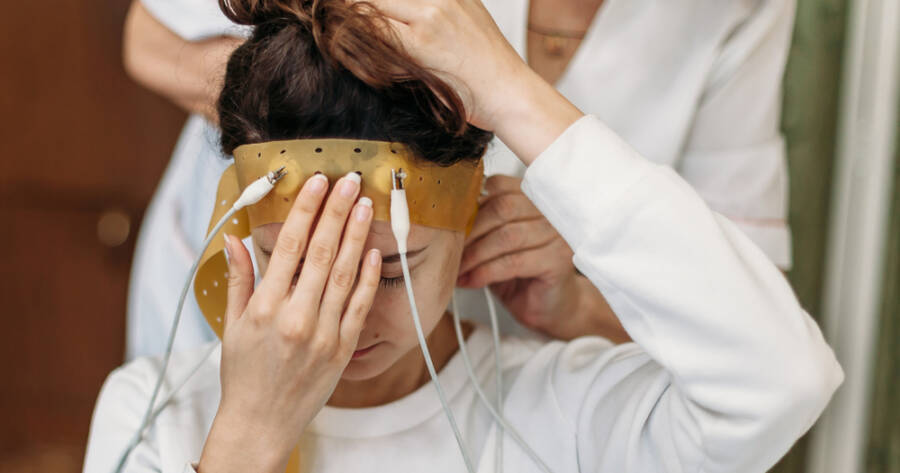
During a sleep study, patients are connected to multiple monitoring devices. These include surface electrodes on the face and scalp to record brain and muscle activity, belts around the chest and abdomen to measure breathing, and an oximeter probe on the finger to measure blood oxygen levels. The test also involves an EEG to measure brain wave activity, an EMG to record muscle activity, an EOG to track eye movements, an EKG to monitor heart rate and rhythm, a nasal airflow sensor, and a snore microphone (source).
Preparation for a sleep study includes following specific guidelines on bathing and grooming to ensure sensors adhere properly, packing for an overnight stay, and avoiding caffeine and alcohol before the test. The environment in the sleep lab is designed to mimic normal sleeping conditions as closely as possible, allowing for accurate monitoring of sleep patterns and disorders.
Home vs. Lab-Based Sleep Studies
Home sleep apnea tests are an alternative to lab-based studies but are limited to detecting sleep apnea and do not monitor brainwaves, which are essential for assessing sleep stages and other disorders. These tests are suitable for individuals with moderate to severe symptoms and no other significant medical issues. They offer the convenience of allowing patients to sleep in their own beds and follow their own schedules, but require borrowing equipment from a hospital sleep lab.
Laboratory sleep apnea tests, or polysomnography, are recommended for individuals with additional medical conditions or when home tests are inconclusive. These tests measure up to 20 different parameters and provide a comprehensive evaluation of sleep-related issues.
Interpreting Sleep Study Results
After the sleep study, the collected data is analyzed by a sleep specialist, who sends the results to the patient’s doctor. The results include details about sleep stages, frequency of awakenings, breathing issues, snoring, body position, limb movements, and any unusual brain activity patterns.
Understanding these results is crucial for determining the appropriate treatment. For instance, lower oxygen saturation levels, especially those below 80% for extended periods, require immediate intervention with positive airway pressure to prevent further health complications.
Why You Should Learn More About Sleep Apnea Studies Today
Sleep apnea studies are essential tools for diagnosing and managing sleep disorders. They provide a comprehensive understanding of a patient’s sleep patterns and disorders, allowing for tailored treatment plans that address the root causes rather than just symptoms.
Whether conducted at home or in a lab, these studies are a vital step towards improving sleep quality and overall health. Understanding how these studies work and what they entail can empower individuals to seek the necessary help and make informed decisions about their health.